

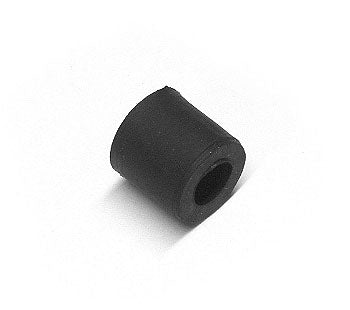
Rubber Bushing for Manual Pallet Jack
800065177
Guaranteed Fit. Check fit with us before you buy. If we confirm it fits your machine and it doesn’t, we’ll exchange or refund it: no restocking fee, return shipping on us. How it works
Not sure it fits? Send us your make, model and serial number and we’ll check it before you buy.
Couldn't load pickup availability
- Expert support & fitment help
- 30-day returns
- Fast Shipping
Compatibility
|
Make |
- |
|---|---|
|
Model |
- |
Visit our diagram page for part references to popular models
Product Description
RUBBER BUSHING (SKU: 800065177) for manual pallet jack applications. Constructed from vulcanized synthetic rubber, this bushing provides a durable interface for pivot or linkage points, absorbing shock and reducing friction in manual pallet truck assemblies. Intended for use in the suspension or support systems of select jack models. Supplied as direct replacement for original manufacturer part 800065177.
Specifications
Material
| Primary Material | Vulcanized synthetic rubber |
| Tensile Strength | Minimum 2000 PSI (reference value for industrial rubber bushings; actual may vary by manufacturer-specific formulation) |
Part Numbers
| OEM Part Number | 800065177 |
| Manufacturer Part Number | 800065177 |
| Product Compatibility | Compatible with select manual pallet jack models using rubber bushings specified by manufacturer part 800065177 |
Frequently Asked Questions
Q: What material is SKU 800065177 made from?
A: SKU 800065177 is a rubber bushing constructed from vulcanized synthetic rubber. This material provides durability and shock absorption for pivot and linkage points in manual pallet jack assemblies.
Q: What is the tensile strength of the 800065177 rubber bushing?
A: The 800065177 bushing has a minimum tensile strength of 2000 PSI, ensuring reliable performance under load cycling and mechanical stress in suspension and support systems.
Q: What pallet jack models does SKU 800065177 fit?
A: SKU 800065177 is compatible with select manual pallet jack models that use rubber bushings specified by original manufacturer part number 800065177. Verify your equipment model matches before ordering.
Q: What is the function of this rubber bushing in a pallet jack?
A: The 800065177 bushing absorbs shock and reduces friction at pivot or linkage points in the suspension and support systems. This extends the service life of adjacent components and improves overall jack stability during load handling.
Q: When should the 800065177 bushing be replaced?
A: Replace the 800065177 when you notice excessive movement at pivot points, visible cracking or deterioration of the rubber material, or increased noise during jack operation. Worn bushings lose shock absorption capability and allow metal-to-metal contact that damages the jack frame.