

Bearing Assembly
S930P28070
Couldn't load pickup availability
- Expert support & fitment help
- 30-day returns
- Fast Shipping
Compatibility
|
Make |
- |
|---|---|
|
Model |
- |
Visit our diagram page for part references to popular models
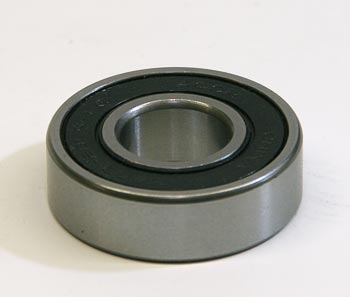
Product Description
BEARING assembly
Frequently Asked Questions
Q: What equipment does bearing S930P28070 fit?
A: S930P28070 is a bearing assembly for manual pallet jacks from Crown, Toyota, Raymond, Yale, Hyster, and comparable manufacturers. This bearing functions as a load-bearing component in wheel assemblies and steering mechanisms. Verify your equipment model and serial number accept this bearing before ordering.
Q: What is the typical failure pattern of S930P28070?
A: S930P28070 fails when internal races or rolling elements wear from repeated load cycles, moisture contamination, or inadequate sealing. Early warning signs include grinding or squealing noise during operation, increased friction during wheel rotation, and steering difficulty. Advanced failure causes wheel wobble and complete loss of smooth operation.
Q: How does S930P28070 perform in wet environments?
A: S930P28070 features sealed construction with a factory-applied corrosion-resistant finish, making it suitable for damp warehouse environments and outdoor storage areas. The sealed design excludes water and salt spray, preventing internal rust. For continuous wet or freezing conditions, verify the seal integrity remains intact.
Q: When should S930P28070 be replaced?
A: Replace S930P28070 when you observe any of these conditions: grinding or squealing from the wheel or steering assembly, rough or stiff rotation requiring excessive pushing force, play or wobble in the wheel, visible corrosion on the bearing exterior, or oil or grease leakage. Do not defer replacement once symptoms appear.
Q: Is S930P28070 maintenance-free?
A: Yes. S930P28070 is a sealed bearing assembly requiring no field lubrication, adjustment, or maintenance. Inspect visually and test operation regularly to confirm smooth rotation and quiet performance. A properly functioning bearing rotates freely without noise or resistance.
Q: What is the typical service life of S930P28070?
A: S930P28070 typically lasts 3-5 years in standard warehouse material handling duty. Lifespan varies based on load intensity, frequency of use, storage conditions, and operating temperature. Regular inspection helps identify wear before complete failure, preventing equipment downtime.