

Steel Screw Plug for Mobile ECO I-55 (Newer) Hydraulic Unit
MO 18E324
Guaranteed Fit. If it doesn’t fit equipment that matches the listing on this page, we’ll exchange or refund it: no restocking fee, return shipping on us. How it works
Not sure it fits? Check it with us before you buy. Once we confirm the fit in writing, it’s guaranteed for your machine.
Couldn't load pickup availability
- Expert support & fitment help
- 30-day returns
- Fast Shipping
Compatibility
|
Make |
|
|---|---|
|
Model |
|
Visit our diagram page for part references to popular models
Product Description
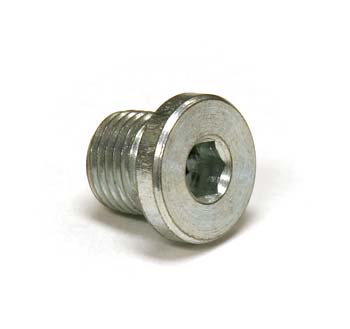
MO 18E324 is a steel screw plug with M24x1.5 right-hand thread and 12 mm hex socket drive, likely used for hydraulic or mechanical port sealing in industrial equipment. Brand and full application details are not confirmed in approved manufacturer or distributor sources.
Compatibility: Fits pallet jacks made by Mobile, model ECO I-55. Alternate model: ECO I55; ECO I 55. SKU: MO 18E324
Specifications
Hydraulic
| Port Thread | M24x1.5 (contextual) |
Material
| Material | Steel (contextual) |
| Finish | Bright (uncoated) |
Part Numbers
| OEM Part Number | MO 18E324 |
Frequently Asked Questions
Q: What is the MO 18E324 screw plug and what is its purpose?
A: The MO 18E324 is a steel screw plug with M24x1.5 right-hand thread and 12 mm hex socket drive used for hydraulic or mechanical port sealing in the Mobile ECO I-55 manual pallet jack. It seals access ports in the hydraulic unit.
Q: What are the thread specifications of the MO 18E324?
A: The MO 18E324 features M24x1.5 right-hand metric thread with a 12 mm hex socket drive head. The M24x1.5 designation means 24 mm diameter with 1.5 mm pitch. Do not use left-hand or incorrect pitch threads as they will not seal or seat properly.
Q: Which Mobile pallet jack models is the MO 18E324 compatible with?
A: The MO 18E324 is designed for Mobile manual pallet jacks, model ECO I-55 and its alternate designations (ECO I55, ECO I 55). It seals specific ports on the hydraulic manifold or pump assembly.
Q: What material and finish does the MO 18E324 have?
A: The MO 18E324 is manufactured from steel in a bright (uncoated) finish. The steel construction provides strength and corrosion resistance typical of hydraulic port plugs in industrial equipment.
Q: What size hex key is required for the MO 18E324?
A: The MO 18E324 uses a 12 mm hex socket drive. Use a 12 mm hex key or socket to engage the plug head. Using incorrect socket sizes can strip the socket or plug head.
Q: How do I identify if the MO 18E324 is leaking or failing?
A: Signs of MO 18E324 failure include visible hydraulic fluid seeping or dripping from the plug location, a loose or partially unscrewed plug (vibration can loosen it over time), or visible corrosion and pitting on the plug surface. Tightness should be verified periodically during maintenance.