

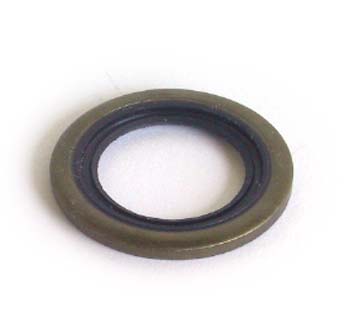
Crown Hydraulic Seal for Electric Lift Trucks
CR 73620
Guaranteed Fit. Check fit with us before you buy. If we confirm it fits your machine and it doesn’t, we’ll exchange or refund it: no restocking fee, return shipping on us. How it works
Not sure it fits? Send us your make, model and serial number and we’ll check it before you buy.
Couldn't load pickup availability
- Expert support & fitment help
- 30-day returns
- Fast Shipping
Compatibility
|
Make |
|
|---|---|
|
Model |
- |
Visit our diagram page for part references to popular models
Product Description
Crown CR 73620 is an OEM hydraulic seal for select Crown electric lift truck cylinder assemblies. Manufactured from high-durability elastomer compound, it is engineered for reliable fluid containment in hydraulic systems and is compatible with petroleum-based hydraulic fluids. This seal is used for regular maintenance and is designed to fit the specified Crown electric lift truck hydraulic cylinders.
Specifications
Material & Construction
| Seal Material | High-durability elastomeric compound (manufacturer does not provide specific material designation) |
Part Numbers
| OEM Part Number | CR 73620 |
| Manufacturer Part Number | CR 73620 |
Frequently Asked Questions
Q: What is the CR 73620 hydraulic seal used for?
A: The CR 73620 is an OEM hydraulic seal for Crown electric lift truck cylinder assemblies. It provides reliable fluid containment in hydraulic systems and is designed to prevent leakage in hydraulic cylinders on select Crown equipment.
Q: What material is the CR 73620 seal made from?
A: The CR 73620 is manufactured from a high-durability elastomer compound designed for long-term performance in hydraulic applications.
Q: Is the CR 73620 compatible with petroleum-based hydraulic fluids?
A: Yes, the CR 73620 is engineered to work with petroleum-based hydraulic fluids commonly used in Crown electric lift truck hydraulic systems.
Q: Which Crown electric lift trucks use the CR 73620 seal?
A: The CR 73620 is compatible with select Crown electric lift truck models. Verify your equipment model and cylinder assembly specifications before ordering to ensure proper fitment.
Q: When should the CR 73620 be replaced?
A: Replace the CR 73620 if you observe hydraulic fluid leaks around the cylinder, a drop in system pressure, or signs of seal degradation. Regular maintenance inspections can help identify wear before failure occurs.