

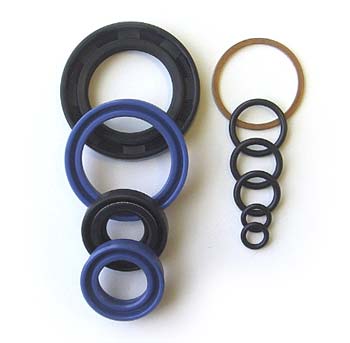
Seal Kit for Manual Pallet Jack Systems
GW 540
Guaranteed Fit. Check fit with us before you buy. If we confirm it fits your machine and it doesn’t, we’ll exchange or refund it: no restocking fee, return shipping on us. How it works
Not sure it fits? Send us your make, model and serial number and we’ll check it before you buy.
Couldn't load pickup availability
- Expert support & fitment help
- 30-day returns
- Fast Shipping
Compatibility
|
Make |
- |
|---|---|
|
Model |
|
Visit our diagram page for part references to popular models
Product Description
Seal kit GW 540 by Liftsplus.com is a nitrile hydraulic lip seal replacement kit engineered for manual pallet jack hydraulic systems. Supports maximum working pressure of 3000 PSI and fits 1.625 inch cylinder bore, providing durable fluid sealing for demanding material handling operations.
Specifications
Hydraulic
| Maximum Working Pressure | 3000 PSI |
| Fluid Compatibility | Compatible with hydraulic oils conforming to ISO VG 32/46 |
Material
| Seal Material Specification | Nitrile rubber compound, Shore A70 hardness |
| Seal Backing Material | Reinforced thermoplastic elastomer |
Part Numbers
| Manufacturer Part Number | GW 540 |
| OEM Part Number | GW 540 |
Performance
| Cycle Life | Tested to 100,000 full lift cycles under rated hydraulic pressure |
| Leak Rate | <0.1 cc/hour at 2500 PSI |
Frequently Asked Questions
Q: What manual pallet jack models use the GW 540 seal kit?
A: GW 540 is a nitrile hydraulic lip seal kit designed for manual pallet jacks with 1.625 inch (41.275mm) hydraulic cylinder bore. Check your jack nameplate or measure the cylinder bore with calipers to confirm fitment. The kit supports maximum working pressure of 3000 PSI, standard for manual pallet jack hydraulic systems. If your cylinder bore is 1-5/8 inch instead of 1.625 inch, use GW 533 kit. Verify exact bore size before ordering to ensure compatibility.
Q: What is the maximum pressure rating for GW 540 seals?
A: GW 540 seals are engineered for maximum working pressure of 3000 PSI in manual pallet jack hydraulic systems. The nitrile rubber compound is Shore A70 hardness, providing durability and flexibility at rated pressure. Do not exceed 3000 PSI as this causes seal damage, leakage, and cylinder failure. Manual jacks typically operate at 1500 to 2500 PSI during normal load lifting. Pressure relief valves prevent over-pressurization; if relief valve malfunctions, the seals will fail rapidly.
Q: How do I replace the GW 540 seals in my hydraulic cylinder?
A: Completely depressurize the jack using the release valve and drain all hydraulic fluid from the cylinder. Remove the retaining cap or bolt securing the piston rod. Extract the old seal assembly, cleaning away any fluid residue or debris. Inspect the bore for scratches or damage; use emery cloth if needed to smooth minor imperfections. Apply a thin coat of ISO VG 46 hydraulic oil to new GW 540 seals before installation. Insert seals in the correct sequence per kit instructions (typically rod seal first, then piston seal). Reassemble and refill the cylinder with clean hydraulic fluid. Pump the jack slowly several times before applying full load.
Q: What hydraulic fluid is compatible with GW 540 seals?
A: GW 540 seals are compatible with standard hydraulic oils conforming to ISO VG 46 specifications (typical viscosity grade for manual pallet jacks). Use mineral-based hydraulic fluids only; do not use synthetic fluids, vegetable oils, or water-based fluids as these degrade nitrile rubber seals and void the warranty. Confirm fluid type before refilling. Mixing different fluid types can cause seal swelling or shrinkage. Change hydraulic fluid every 2 years to prevent seal contamination and extend kit lifespan.
Q: What symptoms indicate GW 540 seal failure?
A: External hydraulic leaks around the piston rod or cylinder base are the primary indicator. You may also notice the jack creeps down under load after pumping stops, meaning seals no longer hold pressure. Hissing or whistling sounds during lift or lowering indicate internal seal degradation. Reduced lifting force or inability to raise a normal load suggests internal seal failure. Check for visible oil residue on external cylinder surfaces. If any symptoms appear, stop using the jack and replace GW 540 seals immediately to prevent sudden load drop and safety hazards.