

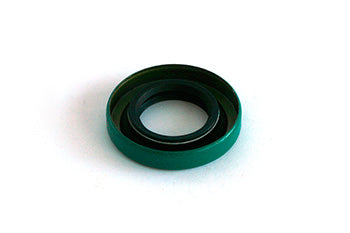
Clark OEM Oil Seal for Electric Lift Trucks
CL 208871
Couldn't load pickup availability
- Expert support & fitment help
- 30-day returns
- Fast Shipping
Compatibility
|
Make |
|
|---|---|
|
Model |
- |
Visit our diagram page for part references to popular models
Product Description
Clark OEM oil seal (SKU CL 208871) for electric lift truck applications; spring-loaded nitrile lip construction with carbon steel casing, designed for medium-pressure rotary shaft sealing up to 5 psi and 3500 rpm. Complies with SAE and RMA standards.
Specifications
Material & Construction
| Seal Lip Material | Nitrile rubber (Buna-N) |
| Case Material | Carbon steel outer case |
Part Numbers
| OEM Part Number | CL 208871 |
| Brand Part Number | Clark 208871 |
Frequently Asked Questions
Q: What is the CL 208871 seal and what is its pressure rating?
A: The CL 208871 is a spring-loaded nitrile lip oil seal rated for medium-pressure rotary shaft sealing up to 5 psi and 3500 rpm. It is designed for Clark electric lift truck applications where shaft seal integrity is critical.
Q: What materials are used in the CL 208871 seal construction?
A: The CL 208871 features a nitrile rubber (Buna-N) lip seal with a carbon steel outer casing. This combination provides oil resistance, durability, and reliable sealing in electric lift truck drive and motor assemblies.
Q: Does the CL 208871 comply with industry sealing standards?
A: Yes, the CL 208871 complies with SAE and RMA (Rubber Manufacturers Association) standards for oil seal performance and material specifications.
Q: What are the typical failure symptoms of a worn CL 208871 seal?
A: Signs of seal failure include oil leakage around the shaft, oil residue on the equipment housing exterior, contamination of bearing grease, or reduced equipment performance. If observed, replace the seal promptly to prevent bearing damage.
Q: Is the CL 208871 spring-loaded, and how does this affect performance?
A: Yes, the spring-loaded design maintains consistent lip contact with the rotating shaft across variable operating pressures and shaft speeds. This feature extends seal life and reduces leakage rates compared to non-spring designs.
Q: What is the maximum RPM rating for the CL 208871 seal?
A: The CL 208871 is rated for continuous operation to 3500 rpm. Operating beyond this speed may accelerate seal wear and increase heat generation at the sealing interface.