

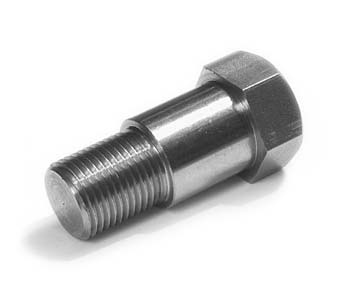
Shoulder Bolt for Manual Pallet Jack
800031504
Couldn't load pickup availability
- Expert support & fitment help
- 30-day returns
- Fast Shipping
Compatibility
|
Make |
- |
|---|---|
|
Model |
- |
Visit our diagram page for part references to popular models
Product Description
SHOULDER BOLT
Specifications
Material & Construction
| Material | Steel or Alloy Steel |
Part Numbers & Compatibility
| Part Number | 800031504 |
| Application | Manual Pallet Jack Assemblies - Handle Pivot Points, Load Wheel Joints, Articulation Connections |
Performance Specifications
| Load Bearing | Yes - Suitable for Manual Pallet Jack Operating Pressures and Weight Distribution |
Additional Specifications
| Product Type | Shoulder Bolt |
| Function | Precision Spacer and Pivot Fastener with Defined Shoulder Diameter |
| Finish | Standard Steel or Zinc-Plated (verify with supplier for corrosion environment) |
Frequently Asked Questions
Q: What makes and models is part 800031504 compatible with?
A: Part number 800031504 is designed for manual pallet jack assemblies. It fits a range of models commonly used in material handling operations, ensuring reliable performance across various applications.
Q: What material is part 800031504 made from?
A: Part 800031504 is typically constructed from steel or alloy steel to provide strength and durability. The exact material grade may vary based on the specific requirements of your equipment.
Q: When should part 800031504 be replaced?
A: Replace part 800031504 when you notice bending, thread stripping, surface corrosion affecting fitment, or excessive play at pivot points. Worn parts can lead to misalignment and reduced equipment stability.
Q: Is part 800031504 suitable for electric pallet jacks?
A: Part number 800031504 is specified for manual pallet jack assemblies. Electric pallet jacks use different fastener specifications due to varying load distributions and component geometry.
Q: What are the benefits of using replacement parts like 800031504?
A: Replacement parts such as part 800031504 are engineered to maintain the performance and safety of your equipment. They ensure proper fitment, durability, and long-term reliability in material handling operations.