
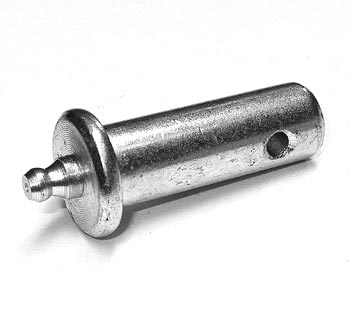
Shoulder Bolt for Ecoa Pallet Jack Model 6600
EC PAL-P124-11009
Couldn't load pickup availability
- Expert support & fitment help
- 30-day returns
- Fast Shipping
Compatibility
|
Make |
|
|---|---|
|
Model |
|
Visit our diagram page for part references to popular models
Product Description
SHOULDER BOLT(ARM BOLT)
Compatibility: Fits pallet jacks made by Ecoa, model 6600. SKU: EC PAL-P124-11009
Frequently Asked Questions
Q: What is the EC PAL-P124-11009 shoulder bolt used for?
A: The EC PAL-P124-11009 is a shoulder bolt (also called an arm bolt) used in the linkage and pivot assemblies of manual pallet jacks. The shoulder portion provides precise spacing and alignment between frame members while the threaded end secures the joint with a nut or threaded mounting point.
Q: Which pallet jack models use the EC PAL-P124-11009 shoulder bolt?
A: The EC PAL-P124-11009 fits Ecoa model 6600 pallet jacks. Verify your equipment model number matches the Ecoa 6600 designation and confirm the bolt shoulder diameter and length match your current assembly before ordering.
Q: What material is the EC PAL-P124-11009 shoulder bolt made from?
A: The EC PAL-P124-11009 shoulder bolt is constructed from hardened steel with a zinc or cadmium plating to resist corrosion. The shoulder (unthreaded shaft portion) maintains precise tolerance to ensure proper alignment and minimal lateral play in the linkage joint.
Q: What size fastener does the EC PAL-P124-11009 require?
A: The EC PAL-P124-11009 uses a standard metric or imperial nut and washer combination for installation. The exact fastener size depends on the threaded end diameter of the bolt. Reference the OEM parts diagram for your Ecoa model 6600 to identify the correct nut size.
Q: What failure symptoms indicate the shoulder bolt needs replacement?
A: Replace the EC PAL-P124-11009 if you observe excessive play or wobbling in the arm linkage, bent or deformed shoulder portion, stripped threads at the fastener end, or corrosion-induced pitting that compromises the shoulder diameter. A worn or damaged shoulder bolt reduces steering control and lift stability.