

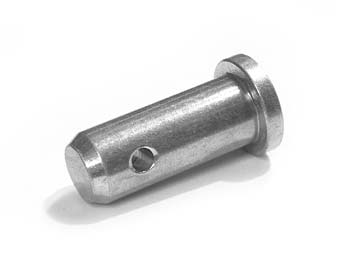
Shoulder Pin Thrust Plate
401087
Couldn't load pickup availability
- Expert support & fitment help
- 30-day returns
- Fast Shipping
Compatibility
|
Make |
- |
|---|---|
|
Model |
- |
Visit our diagram page for part references to popular models
Product Description
SHOULDER PIN, THRUST PLATE
Specifications
Product Overview
| Product Type | Shoulder Pin and Thrust Plate Assembly |
Physical Specifications
| Primary Function | Lift Mechanism Fulcrum and Load Distribution |
| Material Type | Steel (exact grade requires part documentation) |
| Component Purpose | Provides pivot point for lift arm; distributes load forces across frame |
Compatibility
| Application | Manual Pallet Jacks, Light-Duty Lift Equipment |
| Replacement Indicator | Uneven lifting, excessive play in mast, visible wear on pin or plate surfaces |
| Fitment | Requires equipment manufacturer and model verification—specific to equipment serial range |
Frequently Asked Questions
Q: What is the purpose of the shoulder pin and thrust plate assembly?
A: SKU 401087 is a shoulder pin and thrust plate assembly. The shoulder pin provides a fulcrum point for the lift mechanism, while the thrust plate distributes load forces across the pallet jack frame.
Q: Which pallet jack models use this shoulder pin and thrust plate?
A: Verify your equipment manufacturer and model with your parts documentation. This assembly fits specific pallet jack models from Crown, Toyota, Raymond, Yale, or similar brands depending on your equipment year and configuration.
Q: What are the dimensions and material specifications?
A: Contact us with your equipment model number to receive exact dimensions and material specifications for SKU 401087. Proper fitment requires matching your equipment serial range and configuration.
Q: What signs indicate this shoulder pin needs replacement?
A: Replace the shoulder pin and thrust plate if you observe uneven lifting, excessive play or wobble in the mast, or visible wear on the pin or plate contact surfaces. These symptoms indicate load distribution failure.