

Steer Wheel Assembly for Big Joe and Lift-Rite Manual Pallet Jack
BJ 10236-B-A-ST
Guaranteed Fit. If it doesn’t fit equipment that matches the listing on this page, we’ll exchange or refund it: no restocking fee, return shipping on us. How it works
Not sure it fits? Check it with us before you buy. Once we confirm the fit in writing, it’s guaranteed for your machine.
Couldn't load pickup availability
- Expert support & fitment help
- 30-day returns
- Fast Shipping
Compatibility
|
Make |
|
|---|---|
|
Model |
|
Visit our diagram page for part references to popular models
Product Description
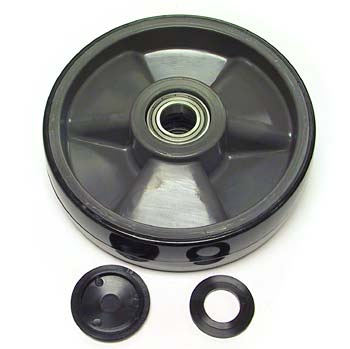
Big Joe BJ 10236-B-A-ST Steer Wheel Assembly is made of polyurethane for manual pallet jack steering applications. This replacement part is compatible with Big Joe and Lift-Rite L50 manual pallet jacks.
Compatibility: Fits Big Joe and Lift-Rite pallet jacks, model L50. Part number: BJ 10236-B-A-ST
Specifications
Material & Construction
| Material | Polyurethane |
Part Numbers & Compatibility
| Make | Big Joe, Lift-Rite |
| Model | L50 |
| Part Number | BJ 10236-B-A-ST |
| Compatibility | Fits pallet jacks made by Lift-Rite, model BJ10236BAST. |
Additional Specifications
| Hub Material | Nylon |
Frequently Asked Questions
Q: What makes and models is this part compatible with?
A: This replacement part is compatible with Big Joe and Lift-Rite L50 manual pallet jacks. Verify your equipment model matches before purchase to ensure proper fitment.
Q: What material is this part made from?
A: This part is made from polyurethane, a durable material for manual pallet jack steering applications.
Q: How long can I expect this part to last?
A: The lifespan of this part depends on usage conditions, including floor type and load frequency. Regular inspection for wear ensures safe operation and timely replacement.
Q: How should I maintain this part?
A: Inspect the tread regularly for signs of wear or damage. Clean the surface to maintain traction and store in a cool, dry environment when not in use. Replace the part when wear or damage affects operation.
Q: When should I replace this part?
A: Replace this part when the tread shows significant wear, damage, or reduced traction, or when the wheel no longer supports safe manual pallet jack operation.