

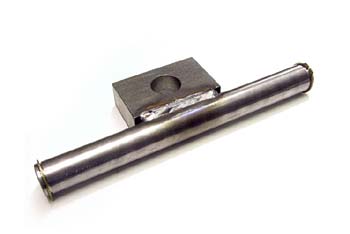
Steer Wheel Axle for Manual Pallet Jack
GW 432
Couldn't load pickup availability
- Expert support & fitment help
- 30-day returns
- Fast Shipping
Compatibility
|
Make |
- |
|---|---|
|
Model |
- |
Visit our diagram page for part references to popular models
Product Description
Steer Wheel Axle
Frequently Asked Questions
Q: Is the GW 432 the same as the GW 431?
A: No. The GW 432 and GW 431 are different axle assemblies designed for different manual pallet jack models. Do not interchange them. Check your parts list or contact the manufacturer to confirm which axle your jack requires.
Q: What pallet jack models use the GW 432 steer wheel axle?
A: The GW 432 is compatible with specific pallet jack frame designs. Refer to your equipment documentation or the manufacturers compatibility chart. Confirm your jack serial number and frame type before purchasing this axle.
Q: Can I tell if my axle needs replacement without removing it?
A: Yes. Spin the steer wheel by hand when the jack is lowered. Listen for grinding, clicking, or rough sounds. Feel for catching or hesitation in rotation. Excessive play in the wheel when pushed sideways indicates worn bearings. Any of these symptoms means the axle assembly needs replacement.
Q: Does the GW 432 installation require removing the jack frame?
A: No. The GW 432 can be replaced without removing the frame. Lower the jack fully, support it securely with blocks, and remove the retaining clips or bolts holding the axle. You may need to rotate or pivot the jack slightly to access fasteners. Always secure the jack before work begins.
Q: What bearing size does the GW 432 use?
A: The GW 432 typically uses sealed 6000-series or 6200-series ball bearings. Exact bearing size depends on axle shaft diameter. Do not substitute different bearing types or sizes, as this will affect steering performance and safety.
Q: Should I replace the wheels when installing a new GW 432 axle?
A: Not necessarily, but inspect the wheels for damage, flat spots, or excessive wear. If wheels are worn, replace them along with the axle for optimal steering performance. Worn wheels cause steering problems that may be mistaken for axle failure.