

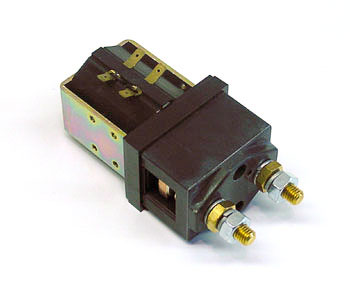
Contactor for Electric Lift Truck - Fits Albright, Toyota
SW2001-281
Guaranteed Fit. Check fit with us before you buy. If we confirm it fits your machine and it doesn’t, we’ll exchange or refund it: no restocking fee, return shipping on us. How it works
Not sure it fits? Send us your make, model and serial number and we’ll check it before you buy.
Couldn't load pickup availability
- Expert support & fitment help
- 30-day returns
- Fast Shipping
Compatibility
|
Make |
|
|---|---|
|
Model |
- |
Visit our diagram page for part references to popular models
Product Description
CONTACTOR (24 VOLT)
Specifications
Part Numbers & Compatibility
| Make | Albright, Toyota, Hyster, Yale, Nissan, Jungheinrich, Raymond |
Frequently Asked Questions
Q: What makes and models is the SW2001-281 contactor compatible with?
A: The SW2001-281 is a 24-volt contactor designed for use in electric lift trucks from Albright, Toyota, Hyster, Yale, Nissan, Jungheinrich, and Raymond. It is intended for replacement in specific models or electrical configurations.
Q: What material and durability features should I expect from the SW2001-281?
A: The SW2001-281 is constructed with high-conductivity contacts and a durable housing to ensure reliable performance in industrial environments. It is built for long-term use with minimal maintenance requirements.
Q: How do I know when to replace the SW2001-281 contactor?
A: Replace the SW2001-281 contactor if you experience issues with motor control, such as poor lift performance or clicking without engagement. Regular inspection for signs of wear or damage is recommended to ensure optimal operation.
Q: What should I do if the SW2001-281 is not working properly?
A: If the SW2001-281 is not functioning correctly, check for signs of wear or damage. Ensure the battery has sufficient voltage and that the contactor is properly connected. If issues persist, consult a qualified technician for further diagnosis.
Q: Can the SW2001-281 be used as a replacement for other contactor models?
A: The SW2001-281 is specifically designed for use in certain electric lift truck models. It should not be used as a direct replacement unless confirmed to be compatible with your specific equipment.