

Switch Rocker for Electric Lift Trucks 10A 125VAC Dp
LP 393-2604
Guaranteed Fit. Check fit with us before you buy. If we confirm it fits your machine and it doesn’t, we’ll exchange or refund it: no restocking fee, return shipping on us. How it works
Not sure it fits? Send us your make, model and serial number and we’ll check it before you buy.
Couldn't load pickup availability
- Expert support & fitment help
- 30-day returns
- Fast Shipping
Compatibility
|
Make |
- |
|---|---|
|
Model |
- |
Visit our diagram page for part references to popular models
Product Description
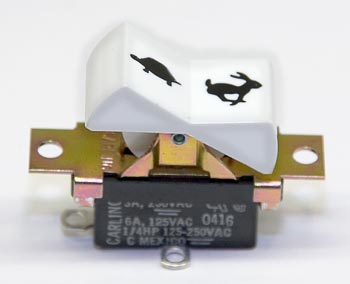
SWITCH ROCKER for electric lift trucks. DPDT on-off configuration, rated 10A at 125VAC, panel mount. Manufacturer part number LP 393-2604, no cross-reference part numbers available.
Specifications
Electrical
| Rated Voltage | 125VAC |
| Rated Current | 10A at 125VAC |
Part Numbers
| OEM Part Number | LP 393-2604 |
| Manufacturer Part Number | LP 393-2604 |
Frequently Asked Questions
Q: What does DPDT mean for the LP 393-2604 rocker switch?
A: DPDT stands for Double Pole Double Throw. This means the switch has two independent circuits, each capable of switching between two positions. For this on-off configuration, the rocker controls two separate electrical paths simultaneously, making it suitable for complex control functions on electric lift trucks.
Q: Is the LP 393-2604 suitable for my 120VAC electric lift truck system?
A: Yes. The LP 393-2604 is rated for 125VAC, which is compatible with 120VAC systems. The switch handles up to 10A at 125VAC. Verify your system voltage and maximum current draw do not exceed these specifications before ordering.
Q: What does panel mount mean for this switch?
A: Panel mount indicates this rocker switch is designed to be installed directly into a control panel or dashboard. The switch mounts from the front of the panel with fasteners through the rear. Verify your panel cutout size matches the switch dimensions before installation planning.
Q: Does the LP 393-2604 have any cross-reference part numbers?
A: No cross-reference part numbers are available for the LP 393-2604. This is a specific manufacturer part. If you need equivalent switches from other suppliers, we can help identify compatible alternatives based on your voltage and current requirements.
Q: What electric lift truck brands use the LP 393-2604 rocker switch?
A: The LP 393-2604 is designed for electric lift trucks requiring a DPDT rocker switch rated for 125VAC operation. It is compatible with systems from manufacturers including Crown, Toyota, Raymond, Yale, and Hyster, though you should verify fitment against your specific equipment model and control circuit design.