

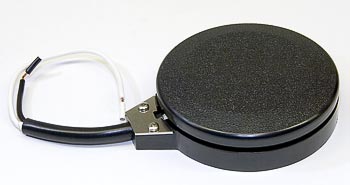
Switch for Electric Lift Truck
SY99-00188
Guaranteed Fit. Check fit with us before you buy. If we confirm it fits your machine and it doesn’t, we’ll exchange or refund it: no restocking fee, return shipping on us. How it works
Not sure it fits? Send us your make, model and serial number and we’ll check it before you buy.
Couldn't load pickup availability
- Expert support & fitment help
- 30-day returns
- Fast Shipping
Compatibility
|
Make |
- |
|---|---|
|
Model |
- |
Visit our diagram page for part references to popular models
Product Description
SWITCH
Frequently Asked Questions
Q: What are the key features of the SY99-00188?
A: The SY99-00188 is built for durability and reliability in electric lift truck applications. It is designed to withstand the demanding conditions of industrial environments, ensuring long-lasting performance and consistent operation.
Q: How do I know if the SY99-00188 needs to be replaced?
A: Signs that the SY99-00188 may need replacement include intermittent or complete loss of control for the assigned function, stuck actuation, or failure to respond to input. Testing with a multimeter can help identify issues such as open circuits, resistance problems, or corrosion.
Q: What should I consider when replacing the SY99-00188?
A: When replacing the SY99-00188, ensure it is compatible with your specific lift truck . Verify the electrical rating and contact resistance match your equipment requirements. Always cross-reference your truck's serial number and model designation to confirm compatibility.