

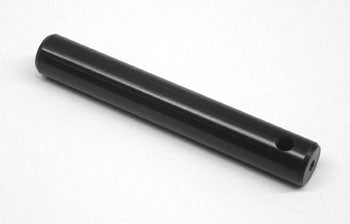
Tension Bar Axle for Toyota Electric Lift Truck
TO 00591-38657-81
Couldn't load pickup availability
- Expert support & fitment help
- 30-day returns
- Fast Shipping
Compatibility
|
Make |
|
|---|---|
|
Model |
- |
Visit our diagram page for part references to popular models
Product Description
Tension Bar Axle
Specifications
Material & Construction
| Material | Steel |
Part Numbers & Compatibility
| Make | Toyota |
| Part Number | 00591-38657-81 |
| Application | Mast and Carriage Stability Support |
Additional Specifications
| Component Type | Tension Bar Axle |
| Function | Lateral alignment and load distribution on lift mast assembly |
| Equipment Category | Electric Lift Trucks |
Frequently Asked Questions
Q: What is the function of the TO 00591-38657-81 tension bar axle?
A: The TO 00591-38657-81 is a tension bar axle that supports mast or carriage stability components on Toyota electric lift trucks. This axle maintains lateral alignment and load distribution during lift and lower cycles.
Q: Which Toyota models is this tension bar axle compatible with?
A: This tension bar axle is designed for use on Toyota electric lift trucks. Confirm compatibility by checking your truck's model and serial number against the manufacturer's specifications.
Q: What material properties does this tension bar axle have?
A: The TO 00591-38657-81 is engineered from steel with adequate strength to resist bending and torsional stress. The axle is precision-machined to maintain critical tolerances between load cells and structural brackets.
Q: What are warning signs that a tension bar axle is failing?
A: Watch for visible bending or warping of the axle, binding or resistance during load cycles, steering pull or instability, and audible grinding or clicking. These symptoms indicate bearing wear or structural damage requiring immediate replacement.
Q: How does tension bar axle condition affect truck safety?
A: A damaged or bent tension bar axle compromises mast alignment, increases bearing wear, and creates uneven load distribution. This condition reduces load stability and increases tipping risk, making replacement critical for safe operation.