

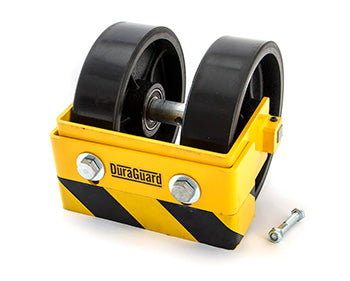
Duraguard Toe Guard Kit for Hu-Lift HP25L Pallet Jack
TG-HP25L-SW
Guaranteed Fit. If it doesn’t fit equipment that matches the listing on this page, we’ll exchange or refund it: no restocking fee, return shipping on us. How it works
Not sure it fits? Check it with us before you buy. Once we confirm the fit in writing, it’s guaranteed for your machine.
Couldn't load pickup availability
- Expert support & fitment help
- 30-day returns
- Fast Shipping
Compatibility
|
Make |
|
|---|---|
|
Model |
|
Visit our diagram page for part references to popular models
Product Description
Polyurethane replacement wheel for Hu-Lift HP25L manual pallet jacks, part number TG-HP25L-SW. This manual pallet jack part is compatible with Hu-Lift HP25L models.
Specifications
Material & Construction
| Material | Polyurethane |
| Wheel Construction | Polyurethane tread with steel core |
Part Numbers & Compatibility
| Make | Hu-Lift |
| Model | HP25L |
| Manufacturer Part Number | TG-HP25L-SW |
| Part Number | TG-HP25L-SW |
Additional Specifications
| Guard Material | High-impact polymer |
| Steer Wheel Material | Polyurethane |
Frequently Asked Questions
Q: What models is this part compatible with?
A: The TG-HP25L-SW is compatible with Hu-Lift HP25L manual pallet jacks. Verify your equipment model designation before ordering to ensure correct fitment.
Q: What material is used in the TG-HP25L-SW?
A: The wheel is made from polyurethane, a material suited for wear resistance and regular material handling use.
Q: How long can I expect the wheel to last?
A: Under normal warehouse use, polyurethane wheels typically provide 3-5 years of service. Lifespan varies based on floor surface, load patterns, and operational intensity. Replace the wheel when flat spots appear or steering performance declines.
Q: What should I consider before replacing the wheel?
A: Polyurethane wheels perform well on clean, dry concrete floors and handle light floor contaminants adequately. For extended use in cold storage or wet environments, verify floor conditions and temperature ranges before deployment.
Q: When should I replace this pallet jack wheel?
A: Consider replacement when the wheel develops flat spots or steering performance declines. Confirm that the replacement part matches the Hu-Lift HP25L model before ordering.