

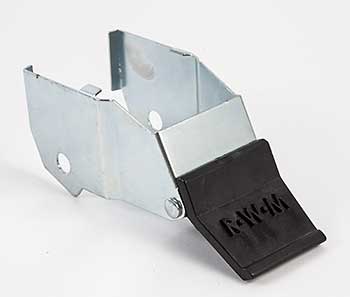
6X2 Face Contact Wheel Brake by Ca Gps - FCWB-6
CA GPS-FCWB-6
Couldn't load pickup availability
- Expert support & fitment help
- 30-day returns
- Fast Shipping
Compatibility
|
Make |
- |
|---|---|
|
Model |
- |
Visit our diagram page for part references to popular models
Product Description
6X2 Face Contact Wheel Brake
Frequently Asked Questions
Q: What equipment does the CA GPS-FCWB-6 6X2 face contact wheel brake fit?
A: The CA GPS-FCWB-6 is a 6 inch diameter by 2 inch width face contact brake designed for pallet jacks, hand trucks, and material handling carts from Crown, Toyota, Raymond, Yale, and Hyster. This brake type is common on electric and manual pallet jacks with swivel casters.
Q: What is the load capacity of this brake?
A: The CA GPS-FCWB-6 typically supports load capacities from 2000 to 4000 pounds depending on equipment frame design and number of braked wheels. The brake applies friction force to the wheel side surface to prevent equipment drift. Consult your equipment manual for exact weight rating.
Q: What is the difference between a face contact brake and other brake types?
A: A face contact brake applies braking force against the flat side or face of the wheel hub rather than the wheel rim or axle. This design provides even pressure distribution and reduces wear on the wheel itself. Face contact brakes are common on equipment designed for frequent braking cycles.
Q: What maintenance does this brake require?
A: The CA GPS-FCWB-6 should be inspected monthly for visible wear, cracks in the brake pad or shoe, and corrosion on the contact surface. Clean the brake contact area to remove dirt and debris. Proper inspection prevents sudden brake failure and maintains safe equipment operation.
Q: What is the typical lifespan of this brake?
A: Under normal operating conditions with standard frequency of braking cycles, this brake typically lasts 3 to 5 years. High-use environments with frequent braking may reduce lifespan to 18 to 24 months. Wet or corrosive environments require more frequent inspections.
Q: How do I know if the brake is wearing out and needs replacement?
A: Signs of brake wear include reduced braking effectiveness, audible grinding or squeaking sounds during braking, visible cracks or chunks missing from the brake pad, and rust on the brake shoe or contact surface. If equipment does not stop or drift occurs with engaged brakes, replace the brake immediately.