

Polyurethane Load Roller Assembly for Wrangler 203/210 Series Manual
WR 203/210-1-A-C
Couldn't load pickup availability
- Expert support & fitment help
- 30-day returns
- Fast Shipping
Compatibility
|
Make |
|
|---|---|
|
Model |
|
Visit our diagram page for part references to popular models
Product Description
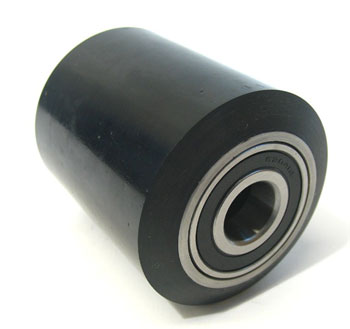
WR 203/210-1-A-C polyurethane load roller assembly designed for Wrangler 203 and 210 series manual pallet jacks. Bilateral configuration load-bearing roller system providing fork stabilization and weight distribution in manual material handling equipment. Aftermarket compatible replacement component with polyurethane roller construction.
Specifications
Material
| Roller Material | Polyurethane (Poly) |
Part Numbers
| Part Number | WR 203/210-1-A-C |
| Compatible Models | Wrangler 203 series, Wrangler 210 series manual pallet jacks |
| Related Assembly Number | WR203/210-1-A (variant without -C suffix) |
Application
| Equipment Type | Manual pallet jacks, warehouse equipment |
| Best Used In | Wet environments, cold storage, high-traction applications |
Frequently Asked Questions
Q: What does the WR 203/210-1-A-C load roller assembly do?
A: The WR 203/210-1-A-C is a polyurethane load roller assembly for manual pallet jacks. It mounts on the fork carriage and rotates to support and stabilize the load during lifting and lowering cycles, providing bilateral load distribution across the mast.
Q: What is the difference between WR 203/210-1-A and WR 203/210-1-A-C?
A: The WR 203/210-1-A uses nylon, while the WR 203/210-1-A-C uses polyurethane. The -C designation indicates polyurethane construction designed for wet floors, cold storage, and high-traction applications. Both fit Wrangler 203 and 210 series jacks; choose based on your operating environment.
Q: Which pallet jack models are compatible with the WR 203/210-1-A-C?
A: The WR 203/210-1-A-C is designed for Wrangler 203 and 210 series manual pallet jacks. It is also compatible with comparable models from Crown, Toyota, Raymond, and Yale that use this load roller specification. Verify your equipment documentation to confirm fitment.
Q: Why should I use polyurethane instead of nylon in wet environments?
A: Polyurethane provides superior traction and grip on wet or damp floors, reducing slippage during load transfer. It resists water absorption better than nylon and maintains performance in cold storage. Nylon absorbs moisture, which reduces grip and can cause swelling or dimensional changes.
Q: How long does the WR 203/210-1-A-C polyurethane roller last?
A: Polyurethane rollers typically last 3-5 years in normal warehouse or cold storage conditions. Lifespan depends on floor type, load cycles, and environmental exposure. Replace when flat spots, hardening, cracking, or loss of grip becomes apparent.
Q: What maintenance does the WR 203/210-1-A-C require?
A: Inspect the roller regularly for debris buildup, flat spots, or cracks. In wet environments, clean the roller surface periodically to maintain traction. Do not use harsh chemicals that degrade polyurethane. Rotate or replace the roller when wear impacts performance or safety.