

Yale Polyurethane Drive Tire
YL 582032044-EZ
Couldn't load pickup availability
- Expert support & fitment help
- 30-day returns
- Fast Shipping
Compatibility
|
Make |
|
|---|---|
|
Model |
|
Visit our diagram page for part references to popular models
Product Description
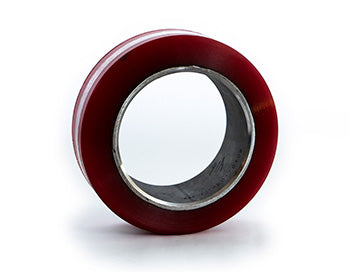
Yale YL 582032044-EZ is a polyurethane drive wheel for the Yale MPB045VG electric pallet jack. Its polyurethane construction provides traction and reliable performance on moisture-prone warehouse floors and in cold storage environments.
Specifications
Material & Construction
| Material | Polyurethane |
| Hardness | 92A Durometer |
Part Numbers & Compatibility
| Make | Yale |
| Model | MPB045VG |
| Part Number | YL 582032044-EZ |
Additional Specifications
| Designed For | Yale electric pallet jacks |
| Tire Material | Polyurethane |
Frequently Asked Questions
Q: Which make and model is the YL 582032044-EZ compatible with?
A: The YL 582032044-EZ is compatible with the Yale MPB045VG electric pallet jack.
Q: What material is the YL 582032044-EZ made from?
A: The YL 582032044-EZ is made from polyurethane, offering durability and enhanced traction in challenging environments.
Q: How do I know when to replace the YL 582032044-EZ?
A: Replace the YL 582032044-EZ when you notice signs of wear such as cracks, flat spots, or uneven tread. Regular inspection is recommended to help maintain performance.
Q: What are the key benefits of using the YL 582032044-EZ?
A: The YL 582032044-EZ provides improved traction on wet or cold surfaces, making it suitable for environments where standard tires may struggle. Its polyurethane construction supports durability and long-lasting performance.
Q: Is the YL 582032044-EZ suitable for cold storage environments?
A: Yes, the YL 582032044-EZ is designed for cold storage environments, offering enhanced grip and control in low-temperature conditions.