

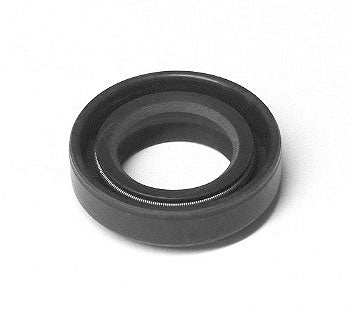
OEM Hu-Lift Hydraulic Scraper for HP25L Pallet Jacks
HL 147
Couldn't load pickup availability
- Expert support & fitment help
- 30-day returns
- Fast Shipping
Compatibility
|
Make |
|
|---|---|
|
Model |
|
Visit our diagram page for part references to popular models
Product Description
OEM Hu-Lift HL 147 hydraulic scraper for manual pallet jack HP25L series. Used for sealing and wiping in hydraulic pump assemblies to maintain pump integrity and protect against contamination.
Compatibility: Fits pallet jacks made by Hu-Lift, model HP25L. SKU: HL 147
Specifications
Part Numbers & Compatibility
| OEM Part Number | HL 147 |
| Compatibility | Compatible with Hu-Lift HP25L hydraulic unit |
Frequently Asked Questions
Q: What is the HL 147 Hydraulic Scraper and what function does it serve?
A: The HL 147 is a hydraulic scraper seal component in the Hu-Lift HP25L pump assembly. It seals and wipes the piston rod to prevent hydraulic fluid leakage and protects against contamination entering the pump from the external environment.
Q: Is the HL 147 compatible with all Hu-Lift pallet jacks?
A: No, the HL 147 is specifically designed for Hu-Lift HP25L hydraulic units. Do not assume it fits other Hu-Lift models or competitive brands. Confirm your equipment is HP25L series before ordering.
Q: What happens if the HL 147 Scraper becomes worn or damaged?
A: A worn or damaged HL 147 allows hydraulic fluid to leak past the piston rod and permits dirt and moisture to contaminate the pump. This causes pressure loss, sluggish lift operation, and premature failure of internal pump components.
Q: How can you tell the HL 147 needs replacement?
A: Replace the HL 147 if you observe visible oil leakage around the pump piston rod, reduced lift speed, pressure loss during operation, or visible wear ridges on the rod surface. Inspect annually for deterioration.
Q: What material is the HL 147 Scraper made from?
A: The HL 147 is typically made from polyurethane or elastomer material designed to wipe and seal against the piston rod while remaining flexible enough to maintain contact throughout piston travel. The material resists hydraulic fluid degradation.
Q: How long does the HL 147 Hydraulic Scraper last?
A: The HL 147 typically has a service life of 2 to 4 years depending on usage intensity, environmental conditions, and hydraulic fluid quality. Frequent operation and exposure to temperature extremes or contaminated fluid shorten lifespan.